0 Items
No products in the cart.


If you’ve ever seen your fluffy pet stare intently at a bird through the window, you’ve seen thousands of years of evolution in action. Even though modern house cats (Felis catus) have lived on our couches for hundreds of years, they are still very much like their wild ancestor, the Near Eastern wildcat.
Knowing what cats naturally eat isn’t just a fun fact; it’s the key to keeping them healthy for a long time. A diet that doesn’t meet their biological needs can lead to a lot of common cat health problems, like diabetes, obesity, and kidney disease.
We need to accept one hard truth before we can understand what a natural diet is: Cats are obligate carnivores. Cats must eat meat to stay alive, unlike dogs, which are scavenging omnivores that can get nutrients from plants. Their bodies can’t handle a lot of carbs, and they don’t have the enzymes they need to make some important amino acids from plant proteins.
A cat eats small mammals, birds, amphibians, and sometimes insects when it is in the wild.
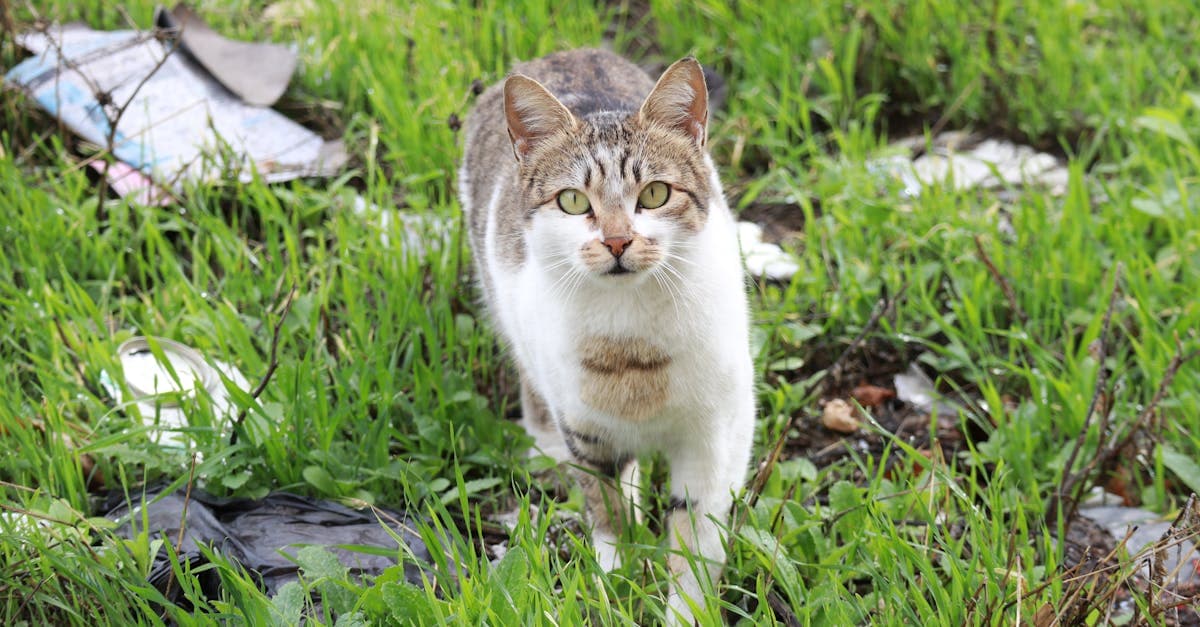
We need to look beyond just “meat” to find out what a cat eats in the wild. A wild cat doesn’t just eat the muscle, it eats the whole animal. This includes:
1. High-Quality Animal Protein: This has taurine, an amino acid that is good for the heart and eyes.
2. A lot of moisture: Cats don’t need to drink a lot. They get about 70–75% of their water from the animals they eat in the wild.
3. Organ Meats and Animal Fats: The liver and heart are full of vitamins A, D, and B-complex, making them nature’s multivitamins.
You don’t have to hunt mice for your pet if you switch to a natural diet. Here are three easy ways to bring ancestral nutrition into your home.
1. The Raw Food Diet (Biologically Appropriate Raw Food – BARF) is the closest thing to a wild diet.
• Why it works: When you make dry kibble, you often destroy the natural enzymes and moisture in raw meat by cooking it at a high temperature.
• The Benefits: People who feed their cats raw food say their coats are shinier, their stools are smaller (and smellier), and they have more energy.
• The Warning: Balance is key. If you just give a cat a chicken breast and leave it at that, it will get sick. If you go this route, use a well-known commercial raw brand or a veterinarian-approved recipe that has important supplements like calcium and taurine.
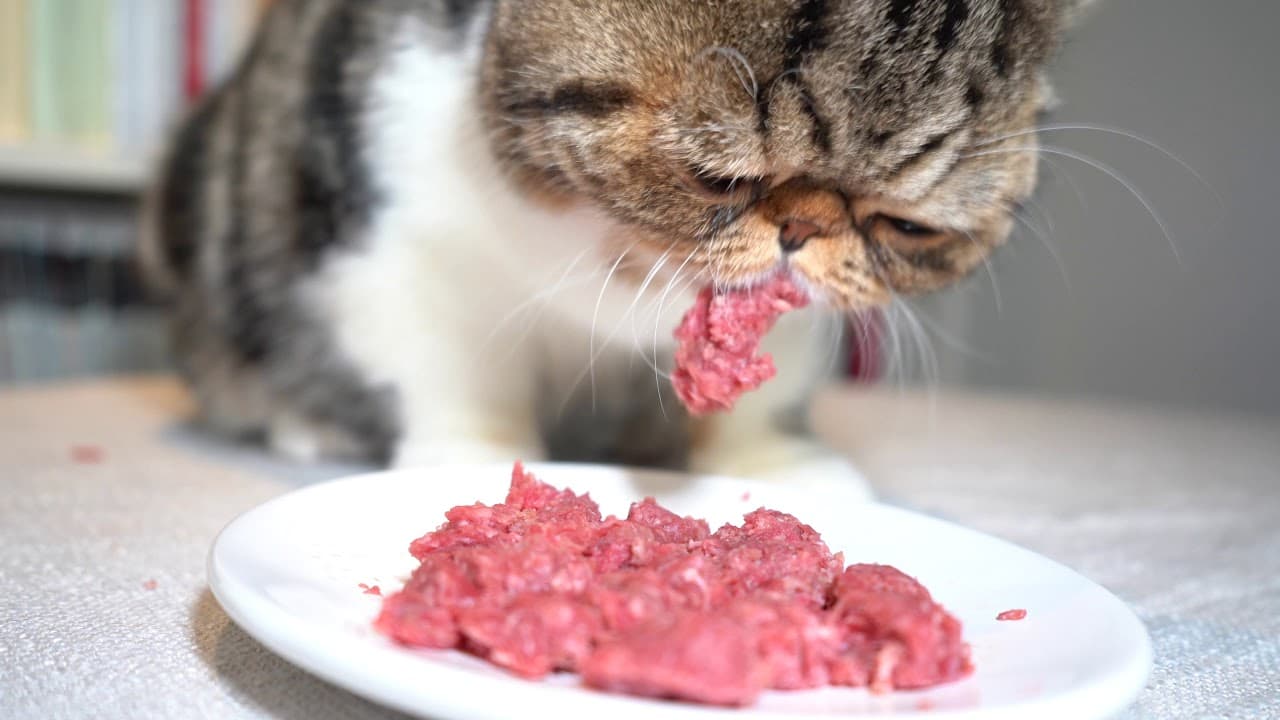
2. Wet food with a lot of protein and no grains
If you don’t want to touch raw meat, high-quality canned food is the next best thing. But not all wet foods are the same. You need to learn how to read labels to stay “natural.”
• Stay Away from Fillers: Look for brands that don’t have corn, wheat, soy, or carrageenan in them.
• Look at the First Five: The first five ingredients should be animal names, like “Turkey,” “Chicken Liver,” or “Rabbit.” Don’t use vague terms like “animal by-products.”
• The Water Advantage: Wet food has about 75% water, which is the same amount of moisture as a mouse or bird. This is very important for keeping kidney stones and urinary tract infections from happening.
3. “Gently Cooked” Meals Made at Home
Home-cooking is a good option for people who are worried about the bacteria in raw food but don’t trust processed cans. Gently steaming or lightly frying meats makes them easy to digest and kills germs.
• The Golden Rule: Never give cooked bones to your pet. Raw bones are soft and easy to digest, but cooked bones get hard and can break, which can hurt the inside of the body.
Their teeth are like scissors, made to cut meat, not flat like ours, which are made to grind grain.
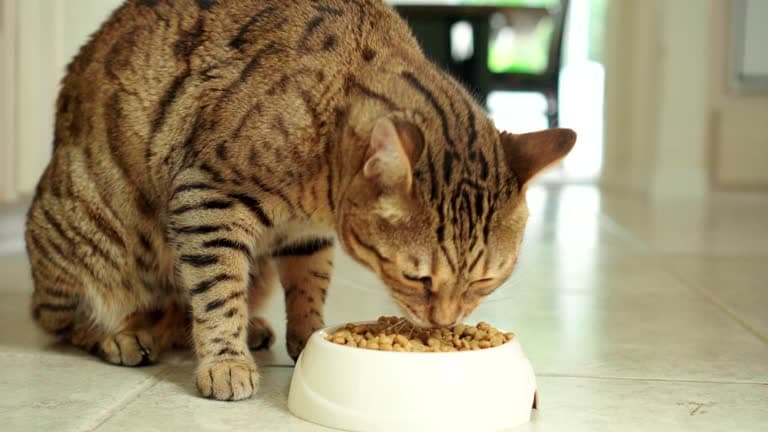
People made dry kibble for their own convenience, not for the health of cats. Most kibble needs a lot of starch (carbs) to keep its shape. This causes a “biological mismatch.” Also, giving a cat only dry food keeps them mildly dehydrated all the time, which is the main reason older cats’ kidneys fail.
Cats are known for being “neophobic,” which means they are afraid of new things. This is a way for them to stay alive in the wild so they don’t eat something poisonous. Your cat might not know what to do with a piece of fresh rabbit if they’ve been eating dry food for five years.
1. The Mix-In Method: Mix 10% of the new natural food with 90% of the old food to start. Slowly change the ratio over the course of two weeks.
2. The “Topper” Trick: Use high-value treats like freeze-dried chicken or a sprinkle of bonito flakes to get them to try the new texture.
3. The temperature is important: Prey is warm in the wild. Cats like the smell and taste of food that is only slightly warm.
Myths About Feeding Animals Naturally
Myth: “Cats need greens to help them digest.”
It’s true that cats don’t have the enzyme amylase in their saliva that breaks down plants. You might see a cat chew on grass to make itself throw up (to get rid of hairballs), but they don’t get much nutrition from vegetables.
Myth: “Cats become aggressive when they eat raw meat.”
This is an old wives’ tale. The state of a cat’s protein doesn’t affect its personality. It’s all about genetics and how they interact with other cats. A cat that is well-fed and has stable blood sugar is usually calmer and happier.
Feeding a natural diet means respecting the animal’s biology in your home. You are giving your cat the best chance of living a disease-free life by focusing on high-quality animal tissues, getting rid of extra carbohydrates, and making sure they get enough moisture.
No matter if you choose a commercially prepared raw diet, a high-quality wet food that doesn’t contain grains, or a carefully balanced meal made at home, the goal is still the same: Don’t feed the label, feed the cat.
When you fill that bowl, ask yourself, “Does this look like something a cat would find in the wild?” Your cat will thank you with a long life, a shiny coat, and lots of head-butts if the answer is yes.



Leave a comment