0 Items
No products in the cart.

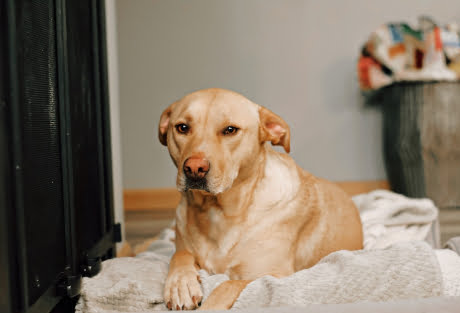
People and their pets often show how much they love each other by being nice to each other, spending time together, and, most of the time, giving each other food. But more and more vets are worried that the “love” we give our pets is making them sick. The number of overweight or obese adult dogs in clinical settings is growing at an alarming rate, reaching what many experts call an epidemic level.
It’s not just about making your pet look good; keeping them at a healthy weight is probably the best thing you can do for their health and happiness. The Royal Veterinary College (RVC) says that every year, about 1 out of 14 dogs that vets see are overweight. A lot of pet owners, especially those who use mobile pet grooming and other simple services, might not notice when their pets are slowly getting fatter.
Is your pet overweight or healthy? It’s important to know the right shape.
People often think that overweight pets are “normal,” which makes it hard to deal with them. If there are a lot of overweight pets in the area, someone who doesn’t know what they’re looking at might think that a dog that is at a healthy weight is “too thin.” You need to know what shape your pet should be in and how to tell when they aren’t.
You can easily see your pet’s ribs, pelvic bones, and spine if they are too thin. There is clearly no fat on the body, and the muscles are clearly smaller. We talk a lot about being overweight, but being underweight is also a health problem that needs to be checked out by a vet.
The “sweet spot” is the balanced shape of a healthy dog or cat. You should be able to:
• Feel the ribs but not see them. You should be able to feel their ribs when you run your hands along their side. They should feel like the back of your hand and have a thin layer of fat on top of them.
• Check out the waist: From above, there should be a clear “hourglass” shape behind the ribs.
• Think about getting a tummy tuck: When you look at the stomach from the side, it should rise from the end of the ribcage to the back legs.
A pet that is overweight loses its waistline. When you look at the stomach from the side, it looks round or like it’s hanging down instead of being tucked in.
Veterinarians don’t just weigh animals; they also use a Body Condition Score to figure out how much fat is in the body. Most of the time, this system has numbers from 1 to 9:
• 1–3 (Underweight): You can see the ribs very well, and there is no fat on the body.
• 4–5 (Perfect): The pet is the right size, and you can feel the ribs with a little pressure.
• 6 (Overweight): The pet is 15% to 20% heavier than they should be, and their waist is starting to look like it’s getting bigger.
• 7–9 (Obese): The pet is 20% to 45% heavier than it should be. The thorax, spine, and base of the tail hold a lot of fat.
1. Breed and genetics
Genetics make some breeds more likely to get fat. Beagles, Pugs, Golden Retrievers, and Labrador Retrievers are all known for eating too much.
2. Age and how fast your body burns calories
Pets naturally become less active as they age because their metabolism slows down. If they don’t change how many calories they eat to match this lower energy use, they will gain weight.
3. Status of Neutering Neutering or spaying your pet is a good way to keep them healthy and limit the number of pets you have, but it does change the balance of hormones. This can make pets hungrier and slow down their metabolism, so owners need to be more careful about how much food they give their pets after surgery.
4. The biology of gender. The RSPCA says that female pets are more likely than male pets to be overweight. Hormones or lifestyle changes could be to blame for this.
5. The owner’s way of living.
People know that the weight of a pet has something to do with how active their owner is. Owners who are active are more likely to give their pets the exercise they need. If an owner, on the other hand, doesn’t move around much, their pet might not get enough exercise and gain weight.
Being overweight is more than just a physical problem; it’s a long-term state of inflammation. Fat cells release hormones that cause inflammation, which hurts the body over time. Obese pets are much more likely to get diabetes mellitus. Being overweight makes it hard for insulin to work, especially in cats.
• Heart disease and high blood pressure: The heart has to work a lot harder to pump blood through a body that is bigger.
• Trouble Breathing: Extra fat around the neck and chest can make it hard to breathe, especially in breeds with “flat faces” (brachycephalic).
• Heat Stroke: Fat keeps heat in. An overweight pet can’t cool off as well when it’s hot outside, and they are much more likely to have a heat stroke that could kill them.
Being overweight is probably the hardest thing on the muscles and bones.
If you don’t pay attention to extra weight, osteoarthritis gets worse faster. When the body is under stress, cartilage breaks down. This makes bones rub against each other, which hurts for a long time. This makes things worse: the pet is in pain, so they don’t move around as much, which makes them gain weight.
Exercise to lose weight in a smart way
Your fat, lazy pet shouldn’t have to do things that are hard on their body, like running or getting things. This could tear ligaments or stop your heart.
• Start Slow: Start with short, easy walks on soft ground.
• Hydrotherapy: Swimming is a great way to help with treatment. It helps the pet lose weight and build muscle without putting any stress on their sore joints, which they have to bear weight.
• Assisted Living: If your pet is overweight, jumping can hurt their joints. You can use ramps for cars or furniture to keep them from getting hurt.



Leave a comment