0 Items
No products in the cart.

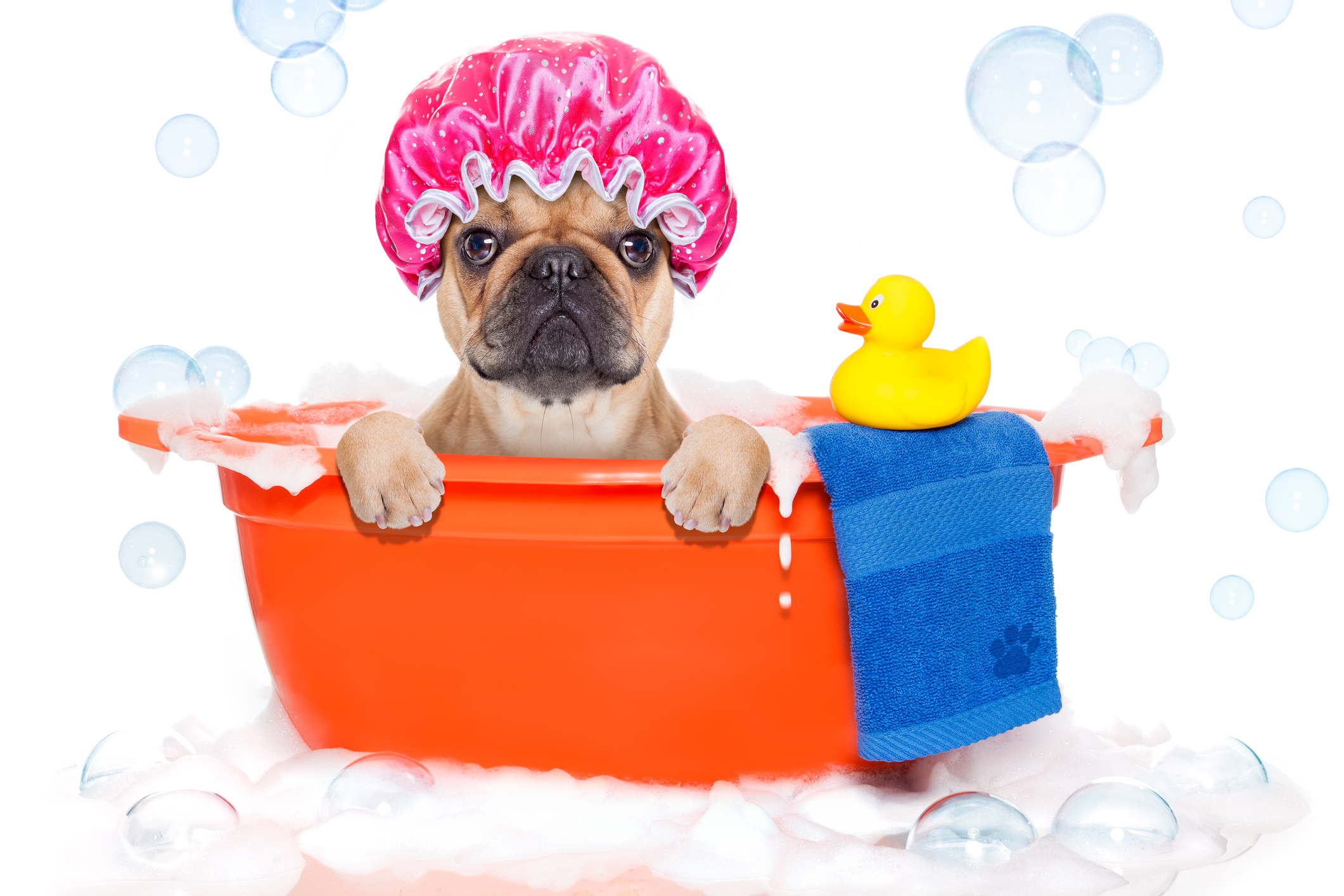
Many pet owners feel both scared and happy when they hear the words “bath time.” If your dog rolled around in the mud without meaning to or if you just want to spend time with them, knowing how to give them a bath at home is a very important skill.
When you bathe your dog, it’s not just about water and soap. It’s also about keeping their skin healthy, their coat clean, and making sure they feel safe. This complete guide will help you get that “fresh from the groomer” look by using the same professional methods that high-end mobile grooming vans use.
You wouldn’t expect your hair to come out smooth after you showered with it all tangled up. The same goes for your dog. In fact, getting a knot wet often “sets” it, which makes it almost impossible to get rid of later without scissors.
1. Get Ready
Pick a place that won’t hurt your back. A sturdy table with a non-slip mat is best for small dogs. The best place for bigger breeds is the bathtub or a walk-in shower. Comfort is the most important thing for you and your pet.
2. The Right Tools for the Job
You need tools that are up to professional standards to get a professional finish. We suggest using a metal comb and a high-quality slicker brush. We swear by the Artero line in our mobile grooming units. Their tools are made to get through the coat without hurting the skin.
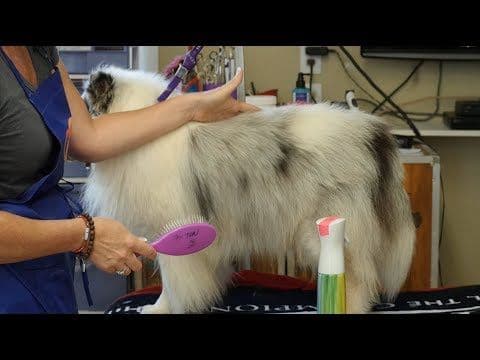
3. The “Bottom-Up” Method for Brushing
Begin at the bottom of the back paw. Brush in small sections, going up and out. Don’t pull if you get stuck. This is when a conditioning spray, like the Artero Protein Vital, comes in handy. A quick spritz makes it easier for the brush to go through mats without hurting.
4. The Test with the Comb
Run a metal comb through the coat after you think you’re done brushing. If the comb gets stuck, there is still a knot. Do the same thing for the ears, legs, body, and sensitive “armpit” areas.
It’s time for the water now that the coat isn’t tangled anymore. The goal is to get a deep clean without taking away the skin’s natural oils.
1. Safety Comes First
Bathtubs are not safe. Put down a rubber mat so your dog feels safe. If your dog is likely to run away, get help from someone else or use a grooming tether with a suction cup. Don’t leave your dog alone in the tub.
2. Control of Temperature
Dogs’ skin is much more sensitive than ours. What feels “hot” to you is too hot for them. Try to get the water to be lukewarm. Put it on the inside of your wrist. It should feel only a little warm.
3. The Rule of Two Washes
Most of the time, professional groomers wash twice.
• The first wash gets rid of dirt and oils on the surface. Wet the coat all the way through, add your diluted Artero shampoo, and rub it in until it foams.
• The Second Wash: This is when the treatment takes place. The second wash lets the ingredients really get into the hair shaft, whether you’re using a whitening shampoo or a soothing oatmeal formula.
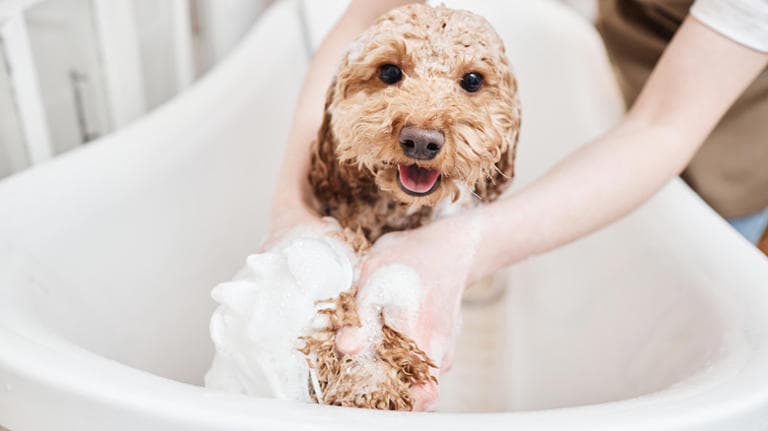
Be very careful around the face. Use a damp washcloth to clean the folds of the face and around the eyes instead of spraying water directly at the nose, which can make you choke. Make sure that no soap gets into the ear canals because trapped moisture can cause painful ear infections.
Keep rinsing until the water is completely clear. The main reason people itch and get “hot spots” after a bath is because of leftover soap.
The Blow-Most DIY groomers stop at drying, but it’s the most important step for a “fluffy” finish. If you let a wet dog air-dry, it will often smell like a wet dog and have frizzy fur.
The Method of Three Towels
• Towel 1: While the dog is still in the tub, use this to squeeze out extra water (not rub it).
• Towel 2: Wrap the dog up in this like a burrito to soak up the extra water.
• Towel 3: Put this on your drying surface to keep their paws dry while you work.2. What is a dryer?A dog with thin skin can easily get burned by high heat. Begin at the back of the dog and go slowly so they can get used to the sound and feel of the air.
Bring back your slicker brush when the coat is about half dry. While blowing air on the hair, brush it in the opposite direction of how it grows. This straightens the hair from the root, giving it that full, professional look.
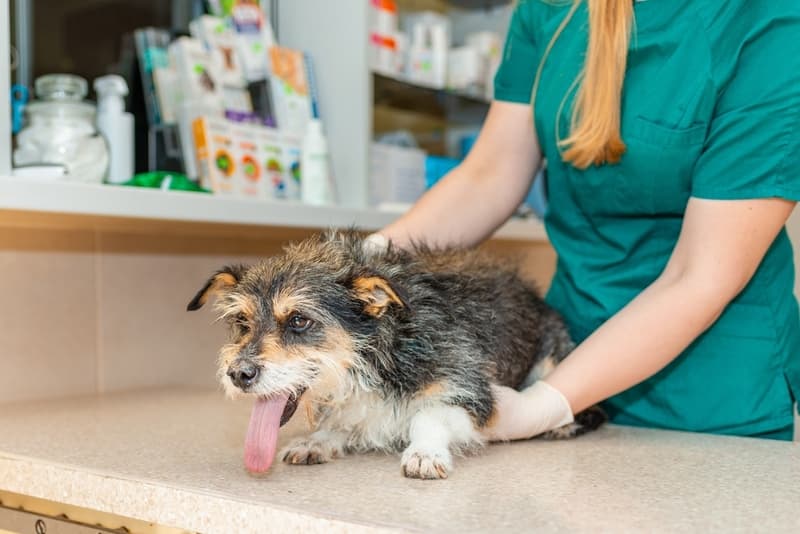
Why does your dog get matted so fast? Not brushing is often not enough.
The environment is a big factor:
• Swimming and humidity: When hair gets wet, it swells and rubs against other hair, making “friction mats.”
• Winter Coats: When it’s cold outside, you might need to wear a longer coat and deal with the friction from your sweater or harness.
• Dry indoor heat can make hair brittle and more likely to break and tangle.
You should check your pet’s “friction points” (behind the ears and under the legs) every day if they like to swim or spend time outside.
It can be hard for a dog to take a bath. Stop if your pet starts to shake, pant a lot, or try to run away. Stop for a while. Give them a treat that is worth a lot. A dog that trusts you and is only half-clean is better than a dog that is perfectly clean but scared of the bathroom.
Over time, make the bath longer. Begin with a paw wash, then a full body rinse, and finally a full scrub. Praise, treats, and calm energy are better than any grooming tool in your kit for getting your pet to behave.



Leave a comment