0 Items
No products in the cart.

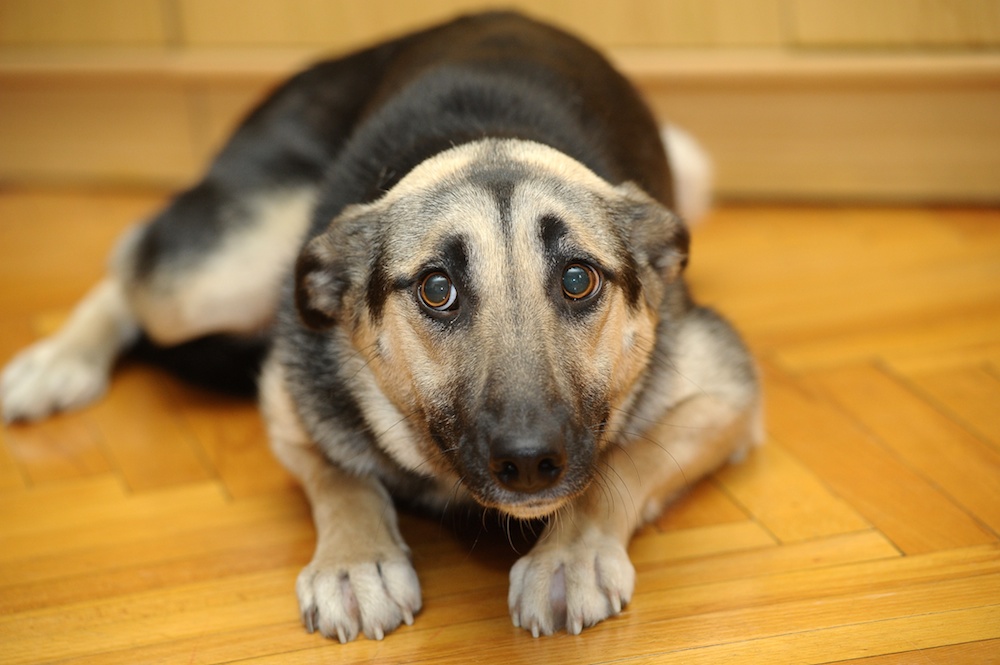
It can be very sad and confusing for dog owners to see their pet cower at a loud noise or growl at a stranger. We often think of dogs as tough and happy animals, but fear is one of the most powerful things that can make a dog do something. Finding out where this fear comes from isn’t just an academic exercise; it’s the first step toward helping our friends feel more at ease and confident.
Fear in dogs is rarely due to a single event. It’s not that easy, it’s a complicated mix of biological factors, early environments, and life experiences. By breaking down the “Five Pillars of Fear,” we can begin to see the world through our dogs’ eyes.
People can pass on a tendency to be anxious, and dogs have a genetic blueprint that determines their basic temperament. People who were afraid of new things (neophobia) were more likely to survive in the wild. A wolf that was careful lived longer than one that wasn’t. But when it comes to breeding dogs at home, genetics can be a problem. If a breeder is more interested in the physical traits of the parent dogs, like the color of their coats or the shape of their snouts, than their personalities, traits that make them scared can become “baked into” a lineage. This happens a lot in puppy mills and backyard breeding operations where they don’t care about how stable the dogs are when they choose which ones to breed. If a mother or father dog is naturally scared of things, their puppies are likely to have the same emotional issues.

The way a puppy’s personality develops into a fearful one starts even before it is born. Modern veterinary science has shown that the womb is not a quiet place. When a pregnant woman is under a lot of stress for a long time, like when she doesn’t eat enough, lives in a bad place, or has a traumatic experience, her body makes a lot of cortisol and other stress hormones.
These hormones get through the placenta and “marinate” the growing fetuses, which keeps them on high alert. The unborn puppies can smell this chemical signal, which lets them know that the world they are about to enter is dangerous. Because of this, these dogs’ nervous systems are often more reactive when they are born. This makes them more likely to get “generalized anxiety disorder” as adults, even if their own lives are perfectly safe.
Once the puppies are born, they learn faster. Puppies are very observant. They watch their mother to learn how to behave in the world. If a mother dog barks at every knock on the door or flinches at every passing car, her puppies will learn that these things are scary. This “social modeling” is a great way to learn. A mother who is worried makes things worse. They make her fear come true because they need her to stay alive.This is why professional trainers often say that a puppy needs a calm, stable mother in the first few weeks of its life.
When puppies are between 3 and 16 weeks old, they go through the “Critical Socialization Period.” The brain is like a sponge during this time of growth, sorting things into “safe” and “dangerous.”
If a puppy isn’t around a lot of different people, sounds, textures, and other animals during this time, they might always be scared of the unknown. Not getting enough socialization doesn’t just mean not having enough experiences; it also means that the brain isn’t making the right neural pathways to handle new things. A vacuum cleaner or a person with a hat on can scare a dog that spent its first four months in a quiet basement.
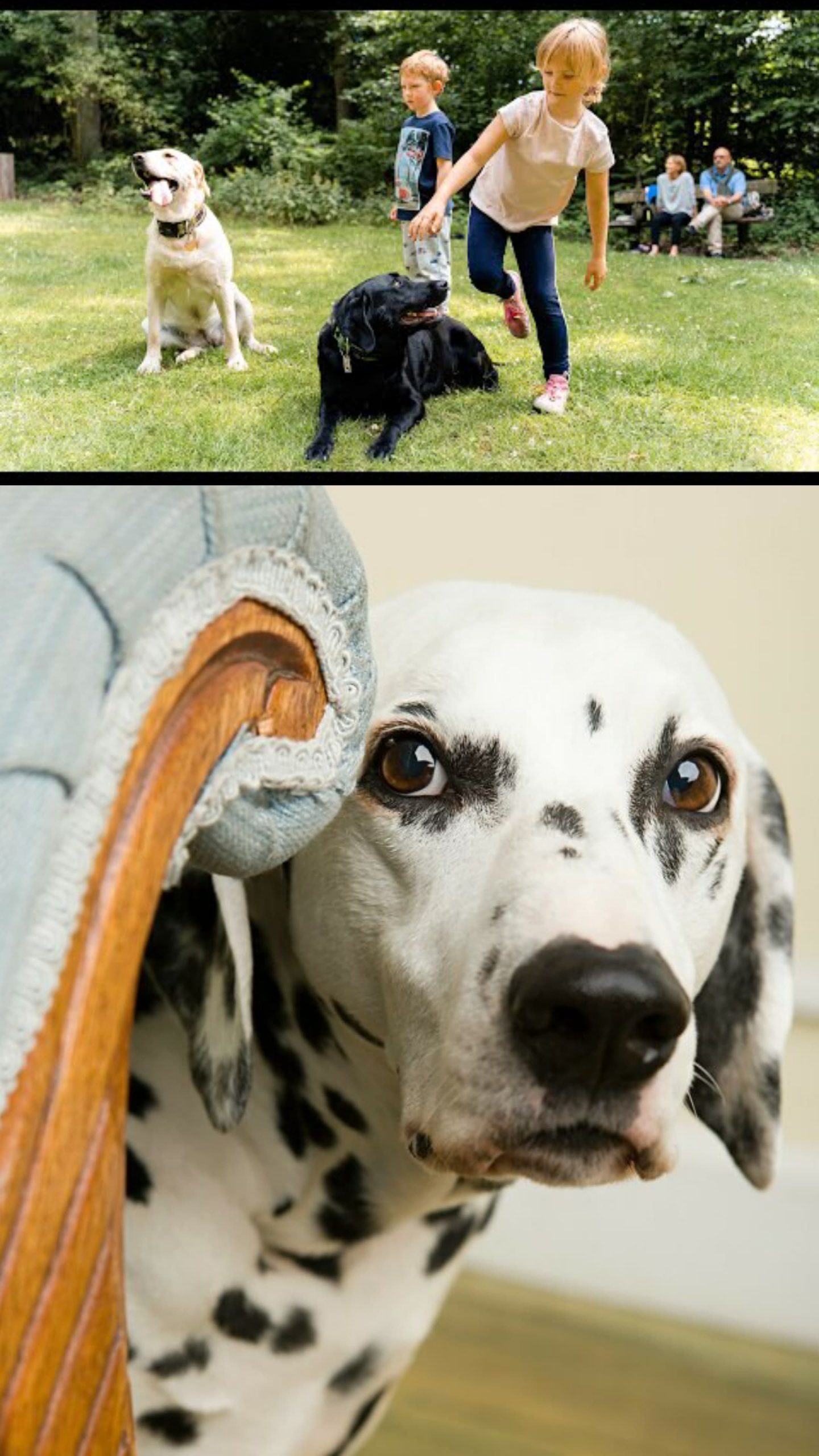
Last but not least, we need to think about what we have done. A dog that is genetically stable and well-socialized can still get scared after a big trauma. A dog attacking you once at a park or a scary experience with fireworks can give you a phobia that lasts for a long time. These “one-trial learnings” are how the brain makes sure the dog never gets hurt by that thing again. In a home setting, they make the dog always respond.
When a dog is scared, their “survival brain” takes over and makes them do one of four things. It’s important to know these things to avoid bites and deal with stress. The Answer to Flight
This is the most common answer. The main thing the dog wants to do is get away from the danger. You might see a dog run away with its tail between its legs and ears flat. In the long term, this can lead to obsessive-compulsive behaviors like chasing shadows or pacing back and forth over and over again. The dog does these things to get away from a reality that is too hard for them to deal with. The Fight Response (Fear-Induced Aggression)
A dog may fight if they think they can’t get away or if they think that “a good offense is the best defense.” People often call this “dominance” or “meanness,” but it’s really “Fearful Aggression.” The dog growls, barks, or lunges to get rid of the scary thing. The dog might bite if the threat doesn’t go away. It could be a quick “warning” nip or a longer bite if things get worse.
It’s smart to freeze when you’re dealing with people. A dog tries to calm things down by staying still. They believe that if they stay still, they won’t be a target anymore. It is often the last thing you can do to get the “attacker” to change their behavior. Caution: A dog that is frozen is very stressed, and this behavior is often the last sign that the dog will bite if the stress doesn’t go away.
The “Play” or “Fiddle” answer is probably the most interesting one. When things get tense, you might see a dog jump, “bow,” or act silly. What they really mean is, “I was just playing!”” Are we buddies?” Changing the other dog’s mood from “threat” to “play” can stop more than 60% of aggressive dogs from being off-lead, according to research. Getting Closer to Being Sure
Understanding that your dog’s bad behavior is caused by fear instead of “disobedience” changes everything. It helps you get from being mad to understanding. You’re not just taking care of a “bad” dog; you’re also helping someone who is scared find their way in a world they don’t understand.
We at Furry Luxury Livings Dog Hostel Jaipur know how to make dogs of all kinds feel safe and at ease. We know how to read a dog’s body language and what to do with a dog that is scared. We’re here to help you in the best way possible, whether your dog needs a quiet place to stay or you need help with how to deal with their behavior.
Getting rid of fear takes time, patience, and a lot of positive reinforcement, but with the right approach, even the most scared dog can learn to feel safe again.