0 Items
No products in the cart.

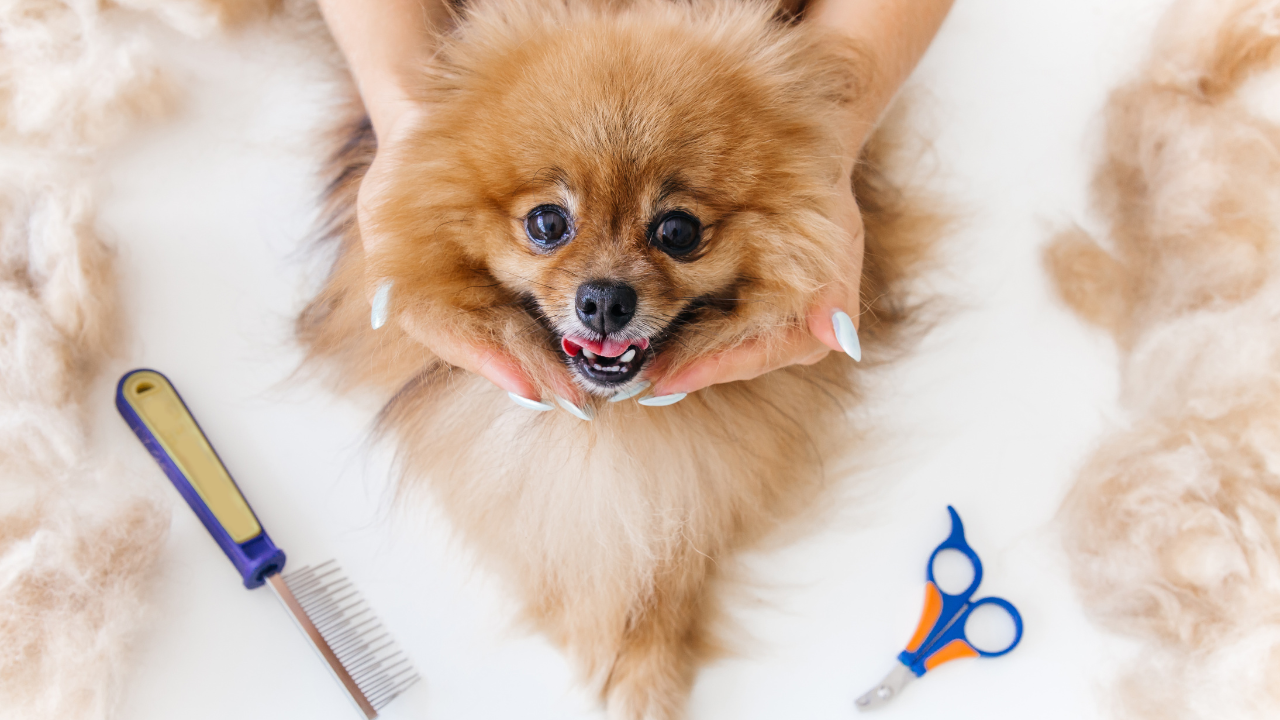
People have long praised Dubai as a great place for pet lovers. Our furry friends are a big part of our social lives, from the well-kept lawns of eco-friendly cities to the dog-friendly cafes along the Marina. But recently, a shadow has fallen over this pet-friendly paradise. Veterinarians all over the United Arab Emirates are sounding the alarm: there is a huge and deadly rise in cases of Canine Distemper in the area right now.
What used to be a small problem has turned into a localized epidemic, leaving many pet owners heartbroken and veterinary clinics full to capacity. For those of us who think of our dogs as family, this news is a sad reminder that even in a modern city, nature can be dangerous and we need to always be on the lookout.
We need to know what we’re up against in order to keep our pets safe. Canine Distemper is not just a cold or a stomach bug that goes away on its own. It is a viral disease that affects many systems and is caused by a single-stranded RNA virus from the Paramyxoviridae family. It is very similar to the virus that causes measles in people, but it is much worse for dogs.
The virus won’t stop. We often think of modern medicine as a safety net, but Distemper has a very high death rate. Puppies younger than four months are most at risk because their immune systems are still growing. The survival rate for these young dogs can be as low as 20%. Even for adult dogs, the odds are about 50% that they will survive.

One reason Distemper is so dangerous is that its early signs can look like those of less serious illnesses. But the progression is usually quick. As a responsible owner, you should be looking for a mix of the following:
1. Respiratory distress: This usually starts with pus-like discharge from the eyes and nose. A dog that has a cough that won’t go away and is having trouble breathing is a big warning sign.
2. Problems with the digestive system: Keep an eye out for a sudden loss of appetite, constant vomiting, and severe diarrhea. This stage quickly leads to dehydration.
3. Physical lethargy: If a normally active dog suddenly becomes sleepy or doesn’t want to move, that’s a sign of trouble.
4. Decline of the nervous system: This is the hardest stage. It includes muscle spasms that happen without you wanting them to (also known as “distemper myoclonus” or “chewing gum fits”), problems with balance when walking, and full-blown seizures.
“Hard pad” disease, which makes the nose and footpads thicker and harder, is a classic sign that the virus has taken a strong hold.
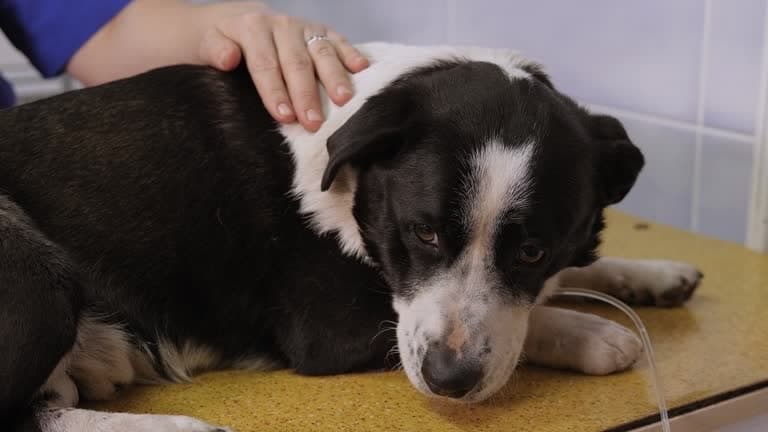
For pet owners, the worst news is probably that there is no direct cure for the Distemper virus. Antibiotics don’t kill viruses; they only fight off secondary bacterial pneumonia that can happen to a dog when their immune system is weak.
The treatment is only “supportive.” This means that veterinarians work all day and night to keep the dog hydrated with IV fluids, control seizures with anticonvulsants, and ease pain. The goal is to keep the dog’s body strong for as long as possible so that its immune system can eventually get rid of the virus.
A vaccine is the only real protection against an epidemic.
• Puppy Series: Make sure your puppies get all of their shots starting at 6 to 8 weeks old.
• Booster Shots: Adult dogs need boosters on a regular basis. Don’t think that a shot you got three years ago is still giving you the best protection.
• Isolation: If your dog hasn’t had all of their shots yet or is in the middle of getting them, keep them away from busy places like public dog parks or shared grooming areas until they are fully protected.
Distemper is a virus that can be spread through the air by coughing and sneezing. It can also be found in bodily fluids like saliva and urine. This is where professional hygiene becomes an important part of staying healthy.
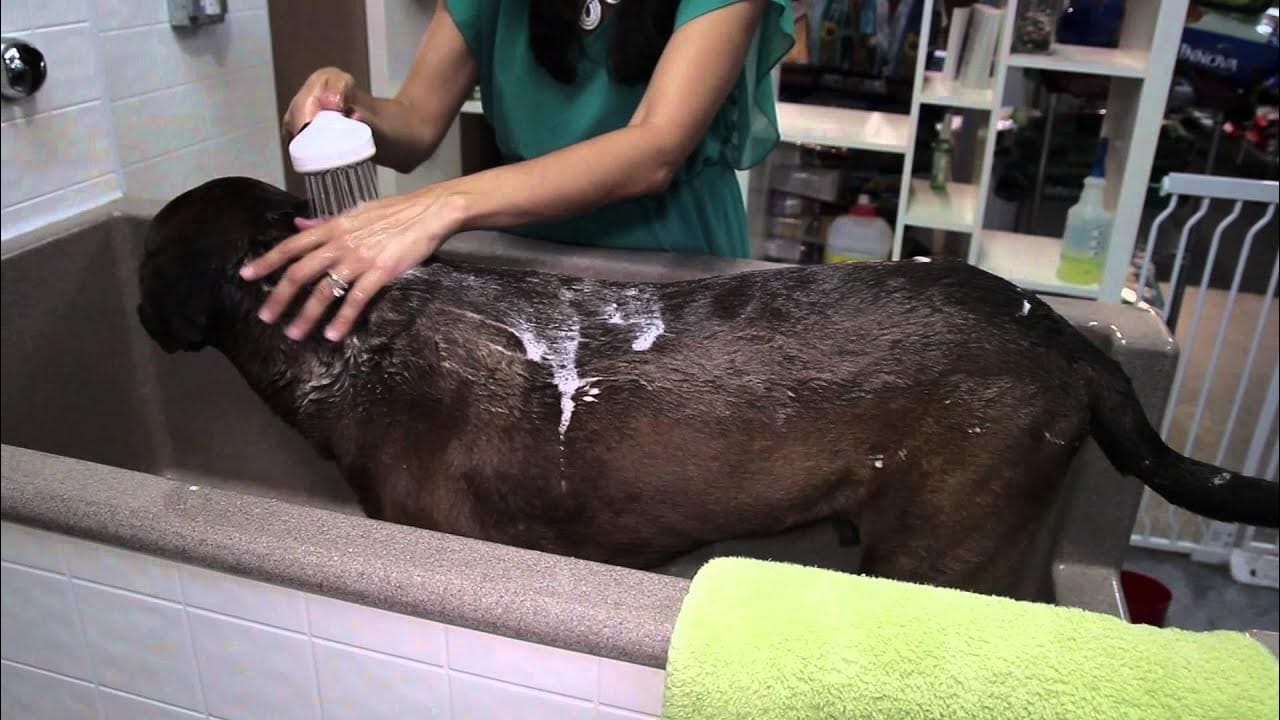
Keeping your home clean and having your dog professionally groomed can help keep secondary pathogens that could make their immune system weaker from spreading. In a place like Dubai, where the heat and humidity can help bacteria grow, getting your pet professionally groomed is more than just a way to look good, it’s also good for their health.
Pets in the City Dubai, a well-known name in the area since 2011, stresses that cleanliness is the best way to protect yourself. Professional groomers know how to look for the first signs of skin infections or discharge that an owner might miss when they quickly brush their pet at home. This lowers the risks of cleaning your own pet in shared spaces.
You can get better, but it will take time. It could take a dog up to two months to fully recover after the first viral attack. They may still be contagious during this time, so they need to be kept away from other dogs at all costs.
Some dogs may have “souvenirs” from the virus that last for the rest of their lives, like permanent neurological tics or weak tooth enamel. This long-term effect is why stopping something from happening is always better than the best treatment.
The current outbreak is a test of how much our community cares about animals. We can’t be too sure of ourselves. If your dog is showing any signs of illness, even small ones, call your vet right away. Don’t take them to a pet store or a park. Put them in a separate room and get professional diagnostic tests (blood and smear tests) to make sure of their condition.
Look at your vaccination records today. Call your clinic if you’re not sure when your pet last got a booster shot.


